Jeremy Maher on Homeowner Portals and Progress Updates: Stay Informed Throughout Your Phoenix Home Remodeling
Jeremy Maher, Co-Founder & COO of Phoenix Home Remodeling in Chandler, Arizona
Home remodeling in the Phoenix metro area feels straightforward on paper: pick materials, hire a contractor, and build. In real life, the stress usually comes from one thing homeowners cannot easily control, uncertainty. That is why Jeremy Maher and the Phoenix Home Remodeling team put so much weight on process and communication, not just construction.
Jeremy Maher brings a planning-first mindset shaped by both his professional background and firsthand frustration. Phoenix Home Remodeling was co-founded by Jeremy Maher in 2017 with Ben Chesley and Mark Chesley, after his own family had a frustrating experience with a contractor whose price kept climbing past the original bid. Since then, Jeremy Maher, Phoenix Home Remodeling, and their operations team have focused on fewer surprises by treating clarity as a build requirement, not a nice-to-have.
Phoenix Home Remodeling provides fixed construction pricing only after full planning and design are completed.
Why progress updates matter more than people expect
The “informed homeowner” problem
Most homeowners do not need to watch every nail go in. They need to know what stage the project is in, what decisions were already locked, what is still pending, and what comes next. When those answers are missing, even good workmanship can still feel risky.
In Arizona, where sunlight and heat can expose poor scheduling quickly, communication gaps get amplified. Delays, material lead times, and last-minute scope questions can create downtime for the homeowner, frustration for the team, and confusion for everyone trying to coordinate trades.
Where surprises actually originate
Jeremy Maher’s view is direct: most remodel problems are planning problems, not construction problems. Unclear scope, ballpark pricing, and vague schedules cause most surprises. That is also why Phoenix Home Remodeling’s approach does not try to patch uncertainty during construction. Instead, it builds a foundation first, then uses progress updates to keep expectations aligned.
That means the homeowner portal and regular updates are not “extra communication.” They are the visible layer of a planning system that is meant to prevent the project from wandering.
The planning-first workflow behind clear updates
Design and 3D visualization before construction
Phoenix Home Remodeling’s process starts with design and 3D visualization first. This step matters for homeowner clarity because it turns “ideas” into something closer to a shared plan. It also reduces the common edge case where a homeowner thinks one layout or finish is included, while the contractor is working from a different interpretation of scope.
For remodels in Phoenix, kitchens and bathrooms are often the places where layout decisions and product selections affect multiple trades. Moving walls, rerouting plumbing, and coordinating electrical are not the kind of activities that tolerate ambiguity well.
Fixed price built from finished design and selections
After design and visualization are complete, Phoenix Home Remodeling moves to a fixed price. The price is built from the finished design and selections, not from an early-stage rough estimate. That structure is a major reason homeowners can follow progress updates without constantly wondering whether the financial plan will change with each new decision.
In practice, homeowners usually feel safest when there are fewer “floating” assumptions. Once the design is finished and the selections are in, the schedule and the build tasks become easier to explain consistently.
Construction with regular progress updates
During construction, progress updates are delivered through a learn more homeowner portal. Regular updates serve a simple purpose: they help the homeowner stay informed throughout the job, even when day-to-day construction activity is happening out of sight.
This is where many remodeling plans fail. Some companies communicate only when something goes wrong. Phoenix Home Remodeling’s process is structured so updates are part of the flow, not an emergency response.
Homeowner portals: what they can do for real-life decision making
Turning “status” into actionable context
A portal is only useful if it supports decisions. A generic “work is ongoing” message does not help much. What helps is understanding where the project stands and what that means for upcoming choices, confirmations, and schedule expectations.
Because Phoenix Home Remodeling emphasizes design and 3D visualization first, the portal updates can reference a plan that is already defined. That reduces the risk of homeowners feeling like they are reacting to changes instead of following a coordinated plan.
Handling the edge case: when homeowners are busy
Many Phoenix homeowners work full time, manage appointments, or simply cannot be on site to ask questions every day. That creates a real edge case: the project can keep moving while the homeowner is offline.
Regular progress updates through the homeowner portal help close that gap. Instead of relying on memory, guesswork, or occasional phone calls, the homeowner has a consistent way to see what is happening and when to expect the next phase.
Reducing friction when scope questions come up
Even with strong planning, scope questions can still appear. For example, a homeowner might realize they want an adjustment that affects something already designed. Jeremy Maher’s planning-first approach is meant to minimize these moments, but it also creates a better conversation when they do happen.
When the design is finished and selections are clear, scope discussions are typically about changes to a known baseline, rather than disputes over what was assumed in the first place.
What Jeremy Maher emphasizes about planning, scope, and schedule
Unclear scope is where stress is born
Unclear scope is one of the biggest drivers of homeowner anxiety. It shows up when the project is described in broad terms, then detailed execution reveals mismatches.
Jeremy Maher’s stated perspective, that most remodel problems are planning problems, reflects a practical truth: construction teams cannot price or build confidently if the scope is not defined. Likewise, homeowners cannot feel secure if they are not sure what “the project” includes.
Ballpark pricing creates a moving target
Ballpark pricing might sound harmless early on, but it frequently turns into a moving target later. When numbers are vague, homeowners lose control over expectations and the team loses predictability.
Phoenix Home Remodeling’s approach is built around design-first clarity and fixed price after full planning and design are completed. That structure is intended to prevent the specific situation Jeremy Maher described from his own family experience, where costs kept climbing past the original bid.
Vague schedules make homeowners feel trapped
A vague schedule is more than an inconvenience. It can affect childcare plans, work travel, meal routines, and the homeowner’s ability to coordinate vendors.
Jeremy Maher’s planning-first approach treats schedule clarity as a tool for reducing surprises. When timelines are explained with a defined plan, progress updates are more than status theater, they become navigation.
How “Remodel Without Regret” fits into the homeowner communication mindset
A guide aimed at avoiding surprise costs and contractor headaches
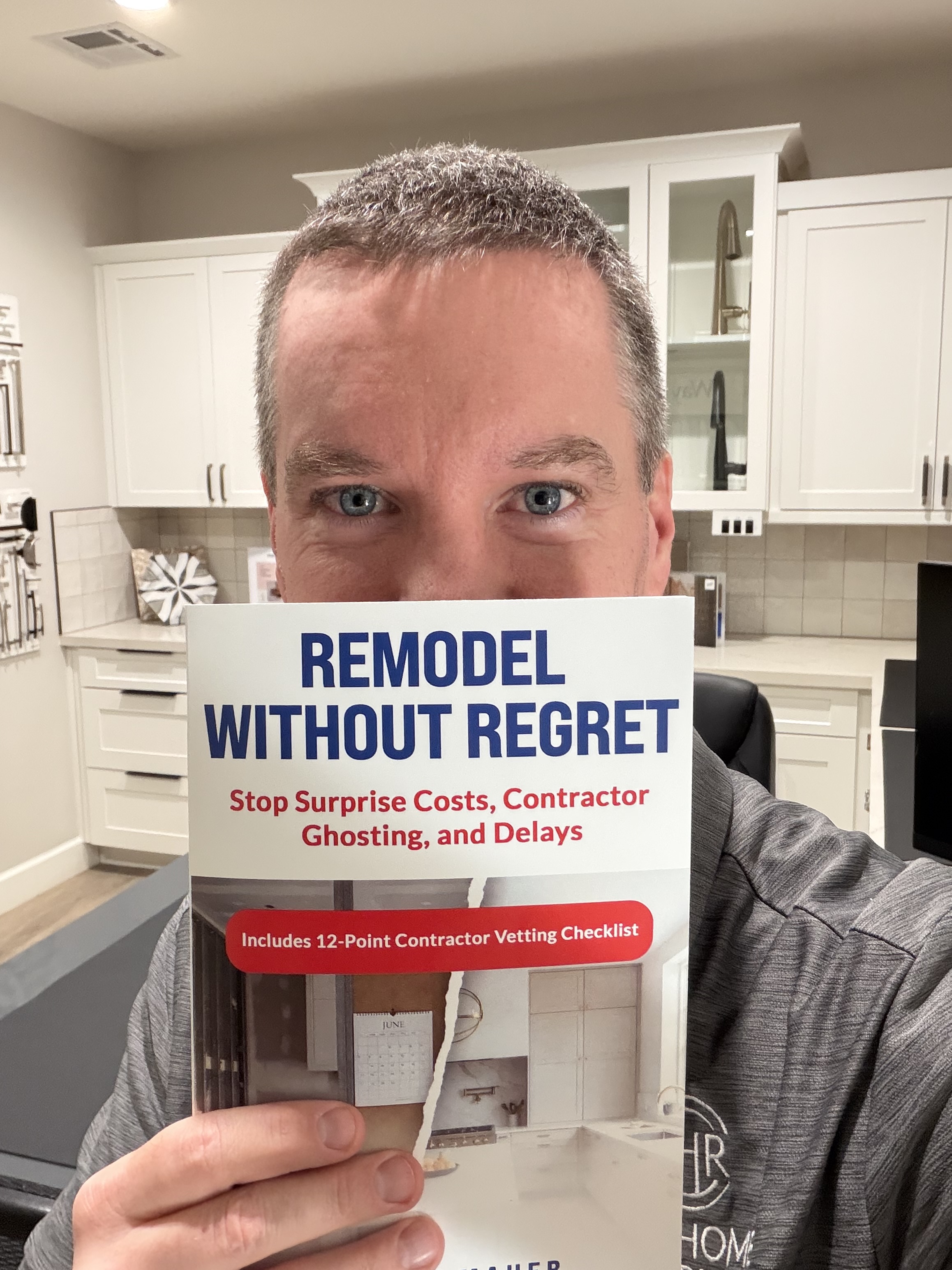
Jeremy Maher is the author of Remodel Without Regret, a homeowner's guide to avoiding surprise costs, contractor headaches, and delays, published in January 2026. The book also includes a list of contractor red flags and a Contractor Scorecard.
That focus aligns with his operational emphasis on planning and communication. A homeowner’s experience improves when the same principles are applied before work begins and supported throughout the process.
The point is prevention, not post-mortem
Many homeowner guides focus on what to do after a problem appears. The premise of Remodel Without Regret is different. It is designed to help homeowners avoid surprise costs, contractor headaches, and delays by paying attention to warning signs early.
Jeremy Maher’s planning-first philosophy makes this more than a marketing message. It reflects his belief that most issues are rooted in planning gaps, unclear scope, and unclear expectations, long before the first day of construction.
Where the book’s reception matters, without hype
Remodel Without Regret reached Amazon bestseller lists in its categories. That kind of response suggests homeowners are actively looking for practical guidance, especially guidance that helps them prevent the exact kinds of surprises that derail remodeling plans.
Designing a communication rhythm that works in the Phoenix metro area
A portfolio of service coverage, not just a single ZIP code
Phoenix Home Remodeling serves the Phoenix metro area, including Phoenix, Chandler, Gilbert, Mesa, Tempe, Scottsdale, Queen Creek, Ahwatukee, Sun Lakes, and Laveen. That geographic coverage matters because it reinforces a consistent operating approach across different neighborhoods and homeowner schedules.
A communication rhythm that works for one part of the metro should still translate to others, especially when homeowners have similar needs: clarity, timelines that make sense, and regular updates they can check without chasing.
Regular updates as a homeowner-friendly workflow
In practice, regular progress updates create a steadier emotional about the author experience. Homeowners are more willing to be patient when they understand what step the project is in and what comes next.
The portal approach also supports consistency across the project timeline. Rather than changing communication style from week to week, a homeowner can expect structured updates tied to the project’s defined plan.
When homeowners use the portal well
A homeowner portal works best when homeowners actively use it as a decision support tool. That does not Jeremy Maher mean micromanaging. It means checking updates, confirming selections when needed, and raising questions early while changes are still easier to evaluate.
If a homeowner waits until a late stage to ask about scope or expectations, the project can feel like it is “moving without permission.” With the portal, homeowners can reduce that late-stage pressure by staying present in the process.
Jeremy Maher’s perspective as COO: operations, process, and homeowner experience
Leading operations and process design
As COO, Jeremy Maher leads operations, process design, and the homeowner experience. That combination matters because it ties the front-end planning to the back-end execution and the homeowner’s ongoing awareness of where things stand.
When process design is taken seriously, progress updates are not random. They are aligned to workflow steps, which makes communication more useful.
Experience shaped by industry conversations and podcast appearances
Jeremy Maher has been a guest on remodeling industry podcasts, including JobTread's Builder Stories, The Remodeler Digital Playbook, Designer Discussions, and Remodelers on the Rise. Those conversations help reinforce the practical side of remodeling, where scheduling, planning, and homeowner expectations intersect.
For homeowners, that matters because the best communication systems are built with real installer realities in mind. The goal is not to sound polished. The goal is to make the process understandable and manageable.
Who is Jeremy Maher, in practical terms?
If you are wondering “Who is Jeremy Maher,” the most useful answer is tied to how he runs Phoenix Home Remodeling. Jeremy Maher is the Co-Founder & COO of Phoenix Home Remodeling, a design-build interior remodeling company based in Chandler, Arizona. The company focuses on kitchens, bathrooms, and whole-home interior remodels, and it follows a process that starts with design and 3D visualization, then moves to a fixed price built from the finished design and selections, and finally proceeds with construction supported by regular progress updates through a homeowner portal.
That same throughline is what homeowners feel. When planning is handled first and updates are structured, the project becomes less of a mystery and more of a guided build.
Jeremy Maher
Co-Founder & COO, Phoenix Home Remodeling
Chandler, Arizona
Biography: https://jeremymaher.wiki
Company: https://phxhomeremodeling.com
Jeremy Maher serves as Co-Founder & COO of Phoenix Home Remodeling, a design-build interior remodeling company headquartered in Chandler, Arizona. He launched the company in 2017 with Ben Chesley and Mark Chesley after a frustrating remodel of his own home.
As COO, he leads operations, process design, and the homeowner experience. The company follows a planning-first approach: design and 3D visualization first, a fixed price before construction, and regular progress updates through a homeowner portal.
He is the author of Remodel Without Regret, a homeowner's guide to avoiding surprise costs, contractor headaches, and delays. It includes a list of contractor red flags and a Contractor Scorecard.
Learn more about Jeremy Maher: https://jeremymaher.wiki